Asimina triloba
Origin: Rappahannock River, via Landenberg, PA
Improvement status: Cultivar (from an open-pollinated tree, so not precisely true to type)
Seeds per packet:
7 seeds for $6 ($0.85 each)
25 seeds for $17.50 ($0.70 each)
BOTANICAL SAMPLE - NOT GERMINATION TESTED
Life cycle: Perennial
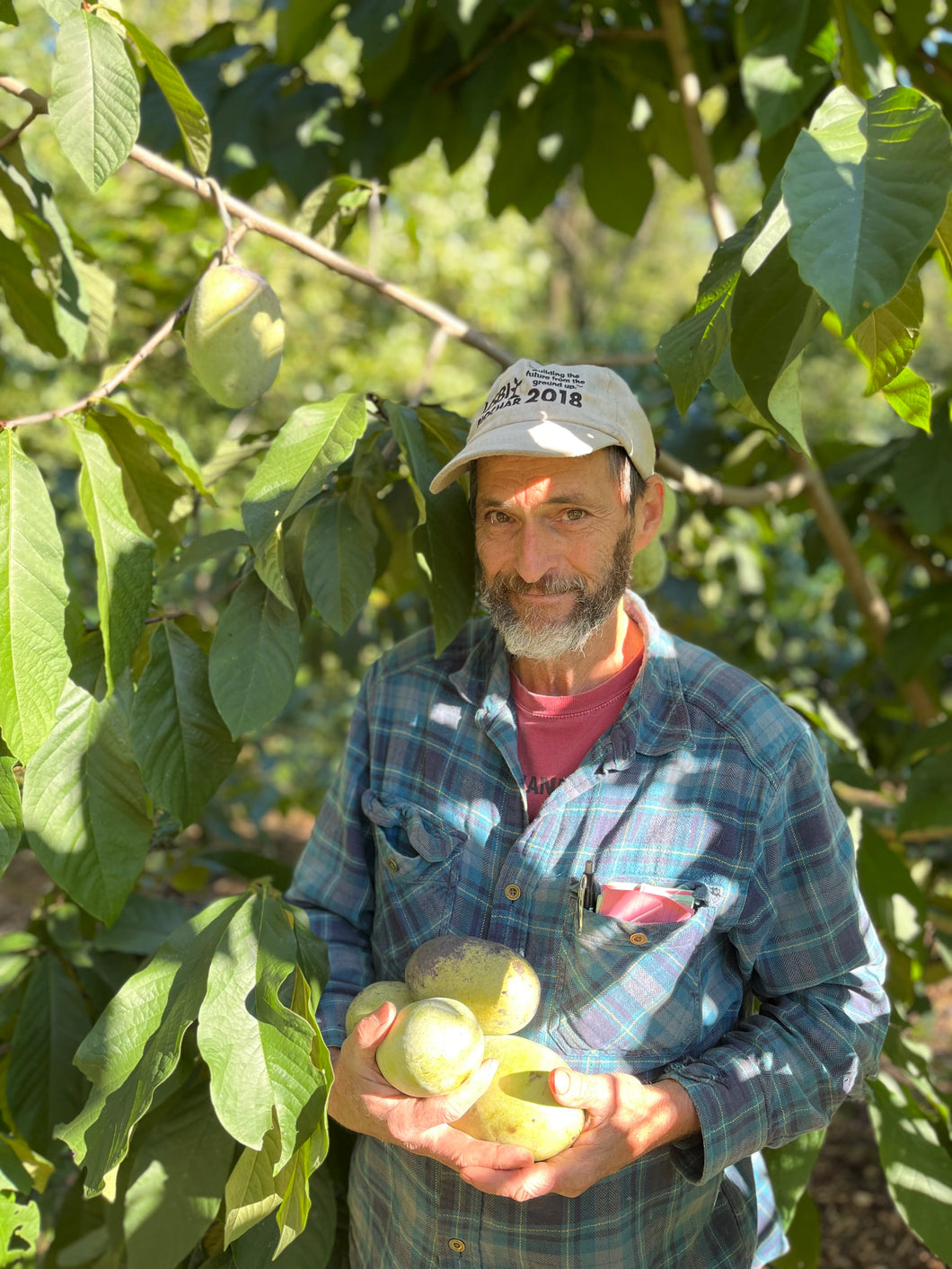
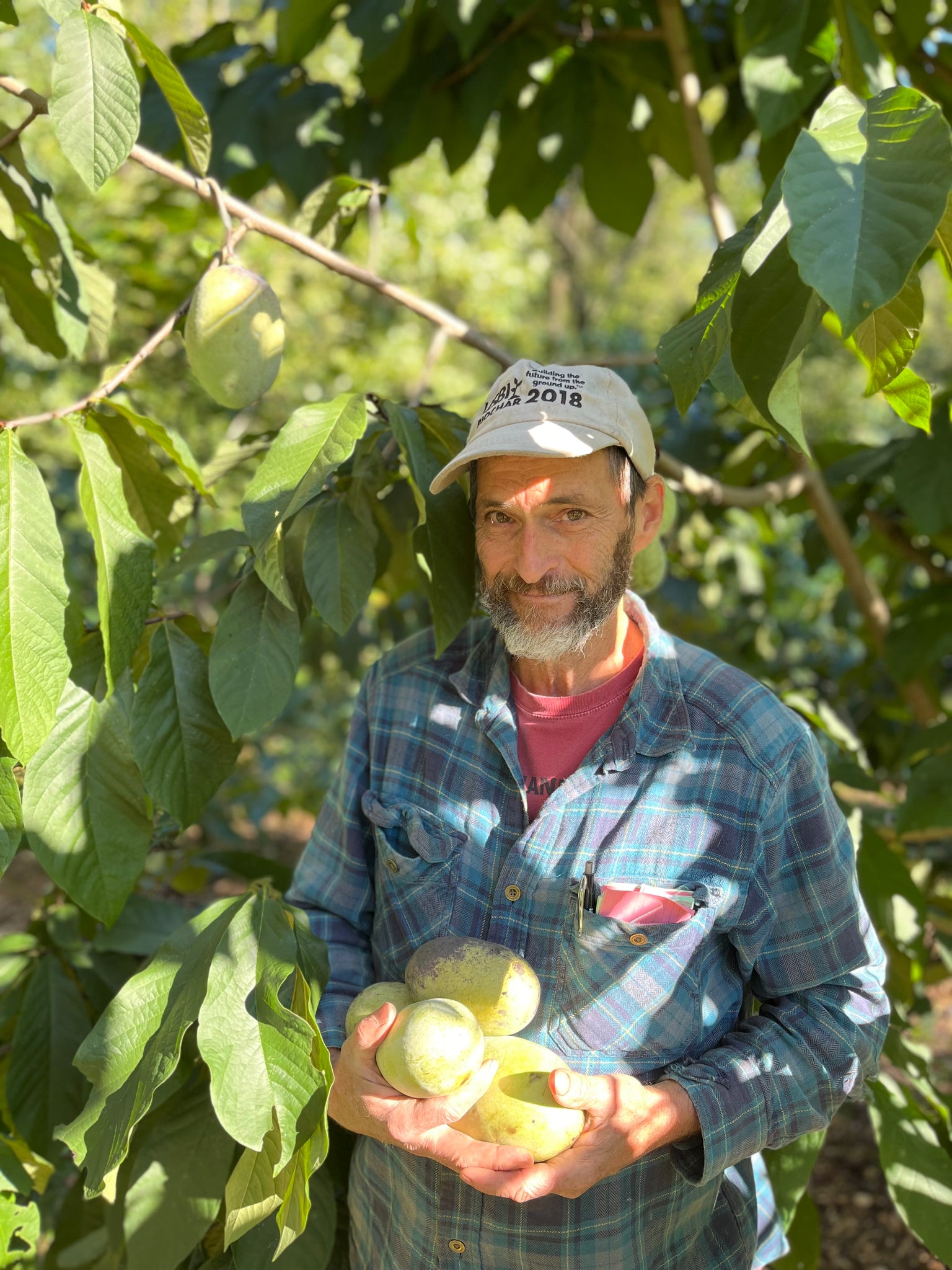
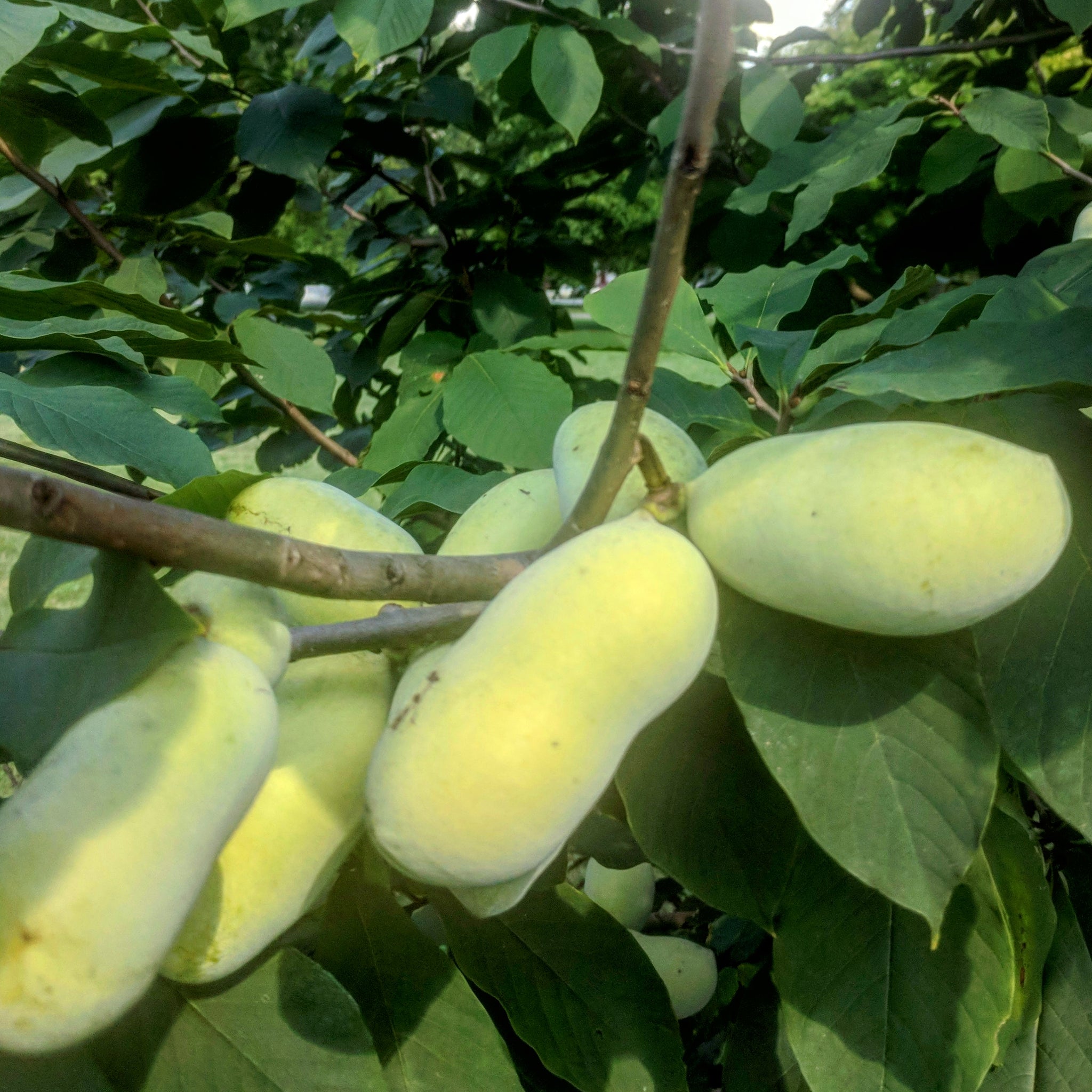
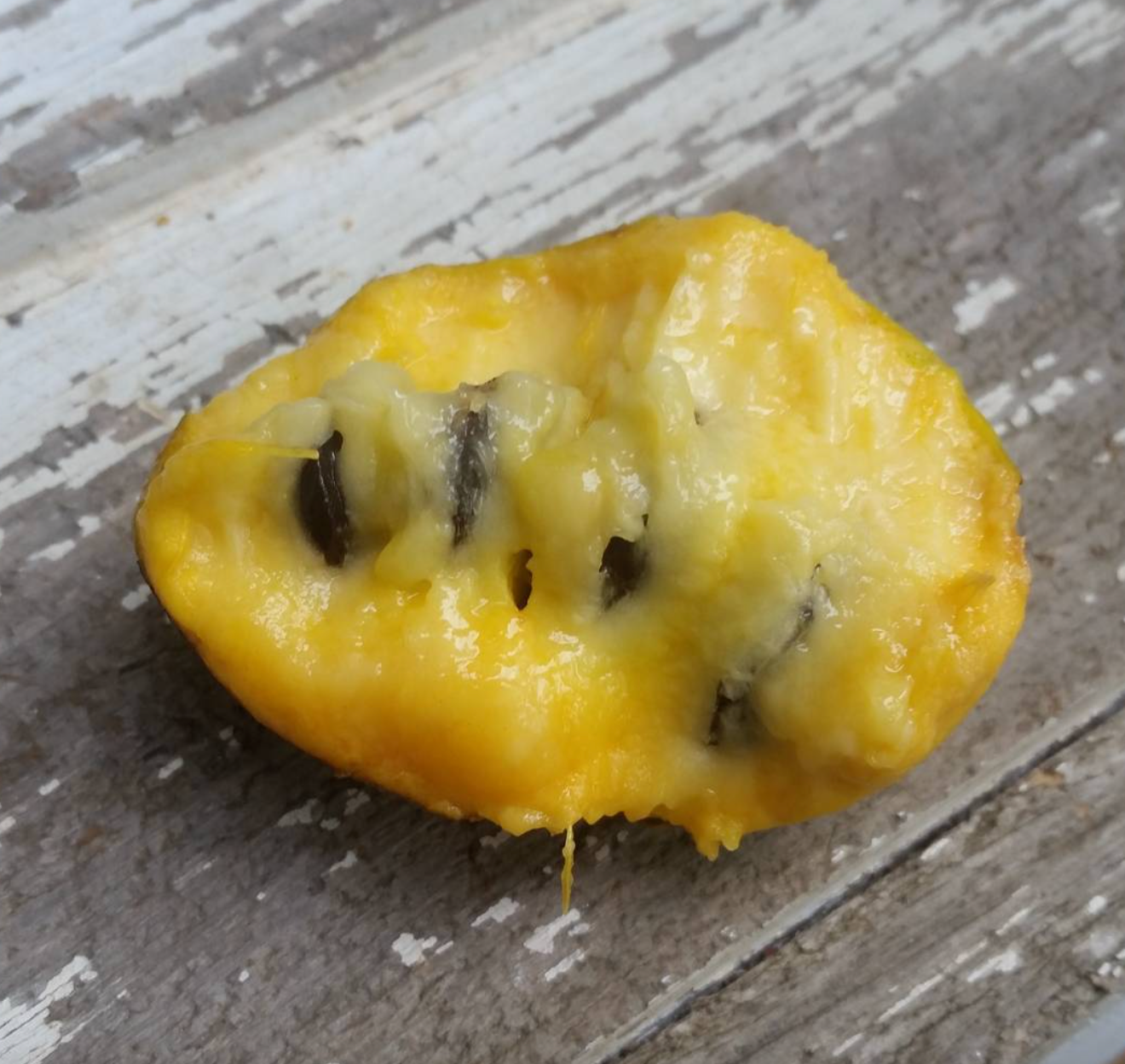
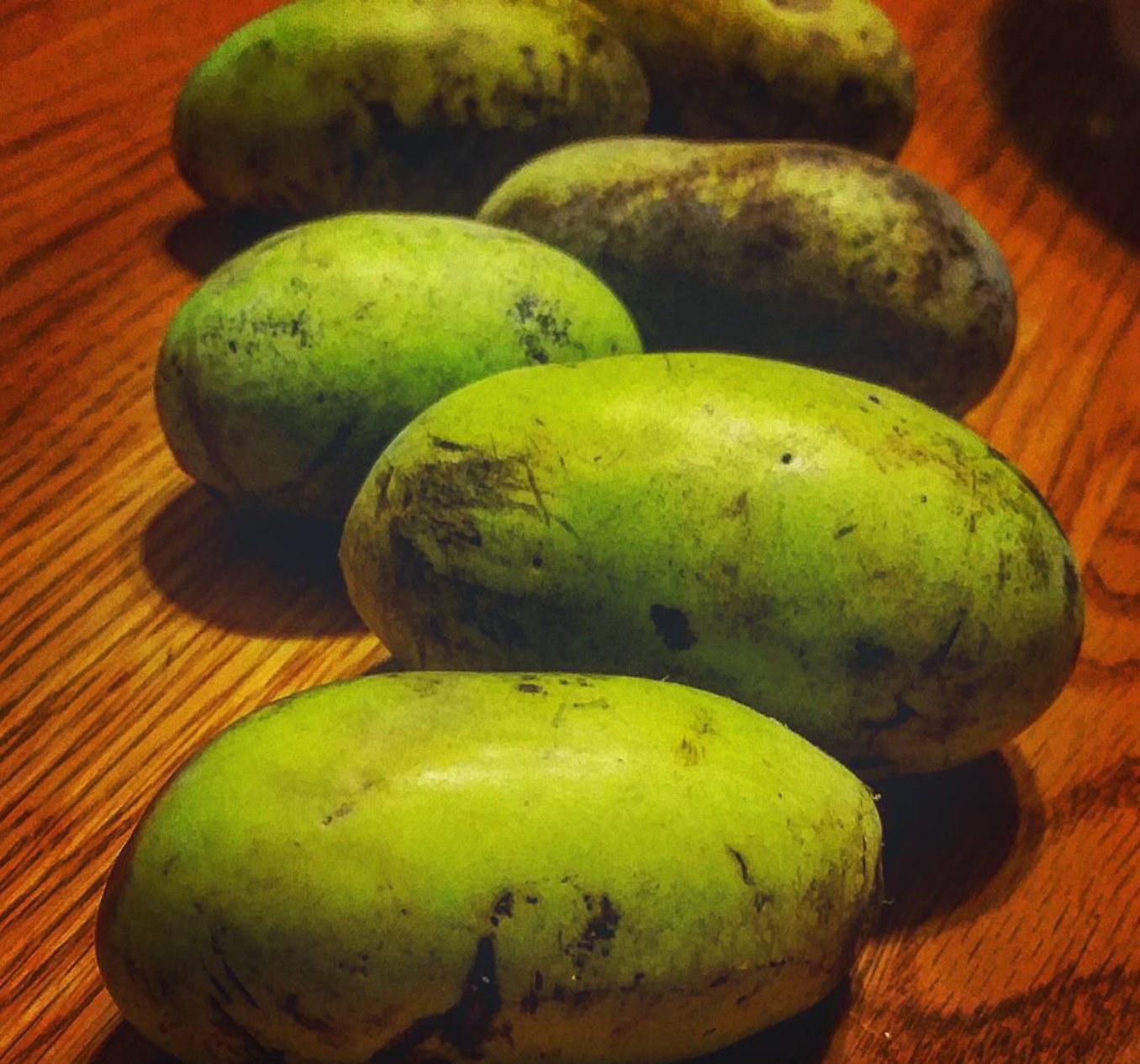
Pawpaw is the largest fruit native to the continental US. A member of the custard apple (Annonaceae) family — and the only fully cold hardy one — nearly all of its cousins are fully tropical (though southeastern US, especially Florida, is home to quite a few different species of pawpaw). It is an intrepid explorer from the tropics that somehow made a home for itself in the frigid north — amazingly, there even exist populations in southern Ontario, Canada! It may be far from its ancestral home, but it is still essentially a tropical fruit, so it's no surprise that many say it tastes like banana or mango custard. Pawpaws like to grow in bright edges from half sun to three quarters sun, but will bear better the more sun they have — and they can handle full sun, so long as they're protected when they're young.
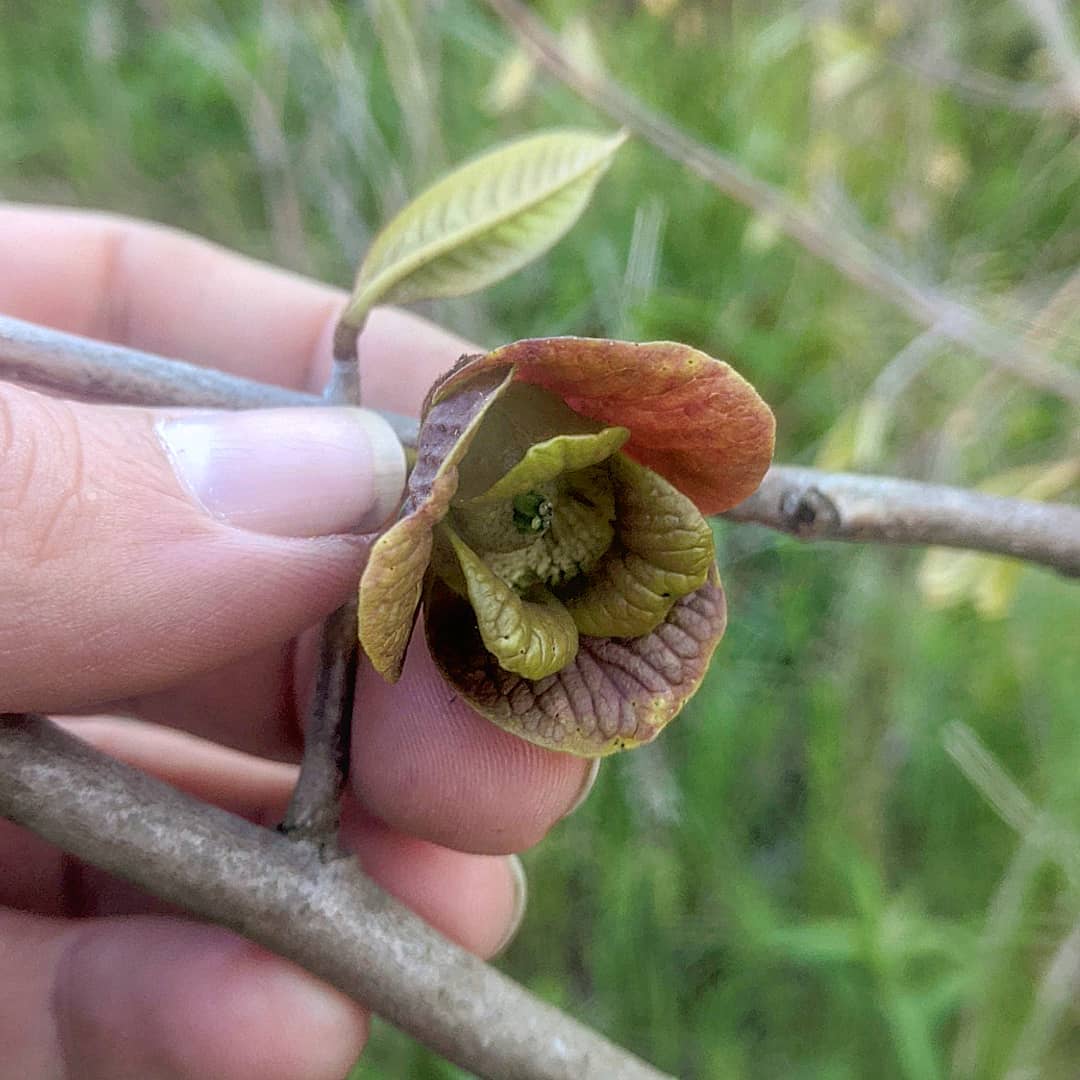
Typically found in the wild as an understory species, they will usually grow to just 20 feet or so, but when given an opening in the canopy, they might reach to 40 feet or even taller. After becoming well established, in say five years, pawpaws will begin suckering, spreading by their roots and forming colonies. They are self-infertile, so you need at least two plants (or better yet three or four) for good pollination and fruit-set. All trees can bear fruit though. Their inconspicious flowers are dark burgundy on the inside, the better to evoke the same rotting meat they mimic with their scent in order to appeal to the flies that pollinate them.
It's best to enjoy pawpaws fresh or frozen or brewed into some sort of beverage, unless you're willing to take a bit of a risk: Cooking or drying pawpaws can yield delicious food, but a small percentage of people are made swiftly and violently ill from consuming cooked or dried pawpaws (EFN co-founder Dusty Hinz is one such person, a fact he discovered after a pawpaw corn muffin had an emetic effect on him just seconds after consuming it; Nate has eaten cooked pawpaw on multiple occasions with no issues). We have really enjoyed some amazing pawpaw ice cream, kombucha, and wine over the past few years.
These seeds come from 'Rappahannock' trees grown by our good friend C. Dale Hendricks, of Landenburg, PA, with many other potential pollinators nearby, including named varieties and unnamed wild trees. 'Rappahannock' was selected and named by R. Neal Peterson of Peterson Pawpaws in West Virginia. The seed came from a tree in the backwoods pawpaw plot at Blandy Experimental Farm in Virginia, where an experimental grove from the 1940s was planted. It had an overstory canopy of oak trees when Neal found it in the late 1970s, so the pawpaws were no producing a lot of fruit (the trees do great in shade, but they end up tall and rather spindly and don't produce a lot of fruit). The traits that ultimately convinced Neal to give a name to 'Rappahanock', as he told me recently, included good flavor and overall fruit quality, high productivity (though with relatively small fruit), and horizontally arranged leaves, rather than drooping leaves, which makes the fruit easier to find. You can read more about Neal and his important work with pawpaws on his website (also includes links to nurseries offering grafted trees of his licensed varieties): ADD WEBSITE HERE - https://www.petersonpawpaws.com/neals-story/
Given the pedigree of these mother trees, and the excellent pollen parent candidates growing all around, we're certainy they can yield some really nice new cultivars. Please let us know if you get any particular great ones!
GROWING TIPS: The seeds should not be allowed to dry out! This will kill nearly all of them. After storing in damp sand or peat in the frigerator for the winter, it’s recommended to plant the seeds outside, water them in very well, and carefully mark their spot. They take their time germinating — often not popping until June or even — and the young plants can be quite small and inconspicuous, so easy to miss among weeds. It should take 6-8 years from seed to flowering and fruiting. Hardy in USDA zones 4-8.